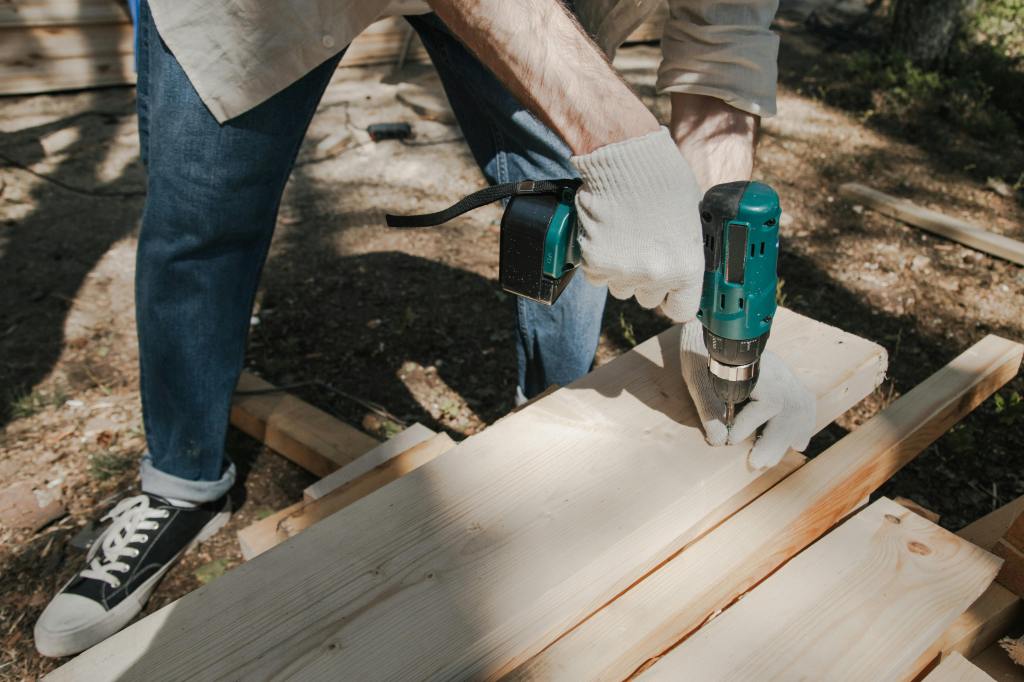
Fences not only add beauty and value to your property but also serve essential purposes—ensuring privacy, defining boundaries, and enhancing security. However, over time, wear and tear can compromise a fence’s functionality and appearance. Identifying the early signs that your fence requires immediate attention helps you avoid larger, more costly repairs down the line. This guide highlights the main indicators that your fence is in need of prompt repair and provides actionable advice to help maintain its durability and aesthetic appeal.
Why Fence Maintenance Matters
A well-maintained fence does more than enhance curb appeal; it safeguards your investment in your property. Regular repair and maintenance contribute to a longer lifespan, improved safety, and consistent functionality. Neglecting seemingly minor issues, such as loose boards or slight leaning, can quickly escalate into extensive damage and higher costs.
For many homeowners and property managers, understanding when a fence is beyond simple upkeep and requires more comprehensive repairs can make all the difference. Below are the most common signs that indicate your fence needs immediate repair.
Key Signs Your Fence Needs Immediate Repair
1. Visible Damage to the Structure
One of the most apparent signs that your fence may need attention is structural damage. Cracked, split, or broken boards weaken the overall integrity of the fence and can impair its functionality.
What to Look For:
- Splintered or broken wooden panels
- Bent or warped metal fencing
- Detached or loose posts
Addressing structural damage early often involves replacing individual panels or reinforcing certain areas. Ignoring these issues could lead to a collapse, leaving your property vulnerable.
2. Wood Rot and Decay
Wooden fences are especially susceptible to rot and decay due to moisture exposure. While modern treatments can extend a fence’s viability, untreated or older wooden fences remain vulnerable.
Common Indicators:
- Soft, spongy areas in the wood
- Discoloration or patchy spots
- Mold or mildew growth
Replacing the affected boards and applying protective stains or sealants can combat further deterioration and restore your fence’s strength.
3. Leaning or Uneven Fence Sections
If a fence starts to lean or appears uneven, it indicates deep-seated structural issues. This problem often points to compromised support posts, shifting ground, or foundational instability.
Causes and Warning Signs:
- Loose or uprooted posts caused by strong winds or soil erosion
- Weak or rotted post bases
- Panels detaching from posts
A leaning fence requires immediate correction to prevent further tilting and possible collapse. Reinforcing the posts or rebalancing sections with new fittings may address this issue effectively.
4. Rust and Corrosion on Metal Components
Metal fences, while durable, can corrode over time when exposed to weather conditions like rain and humidity. Rust weakens the structure and can cause unsightly stains.
Warning Signs:
- Flaky, reddish-brown spots on metal surfaces
- Reduced strength in screws, bolts, or hinges
- Persistent squeaking from gate hinges
To address this, cleaning and applying rust-proof coatings or replacing affected hardware may restore your fence’s stability and aesthetic appeal.
5. Worn Paint or Finish
The paint or finish on a fence not only contributes to its beauty but also serves as a protective barrier. Peeling or fading paint can expose underlying materials to the elements, leading to further damage.
What to Inspect:
- Cracking or flaking paint
- Loss of color vibrancy
- Bare wood or exposed metal
Applying a fresh coat of paint or sealant not only rejuvenates your fence but also provides essential protection against rain, wind, and UV exposure.
6. Gaps or Loose Boards
Gaps or missing panels in a fence compromise security and privacy. Animals, intruders, or even harsh weather can exacerbate the problem by widening existing gaps.
Signs to Watch:
- Large spaces between boards or metal components
- Loose or wobbly panels
Replacing the damaged sections and securing panels is crucial to maintaining privacy and ensuring safety.
7. Damage from External Factors
Fences often sustain damage from external forces such as storms, falling tree branches, or impacts from vehicles or equipment. Depending on the severity, this may involve minor repair work or complete replacement.
External Hazards:
- Dents or scratches caused by accidents
- Sections knocked over by strong winds or heavy debris
- Visible breakage from physical impact
Assessing the entire fence after such incidents helps determine whether partial repairs or full replacement is necessary.
Proactive Measures for Fence Maintenance
While recognizing the signs of damage is important, proactive care can prevent many issues from arising. Regular inspections, timely repainting or staining, and replacing hardware as needed can extend the lifespan of your fence.
Here are some helpful tips for ongoing maintenance:
- Clean your fence annually to remove dirt, grime, and any buildup of moss or mildew.
- Ensure proper drainage around the base to prevent water damage or soil erosion.
- Tighten loose screws, bolts, or nails to maintain structural stability.
- Consider professional evaluation when in doubt about the extent of required repairs.
Keep Your Fence in Top Condition with Professional Help
Maintaining your fence not only protects your property but also ensures safety, security, and aesthetic appeal. Regular inspections and timely repairs help avoid costly replacements and preserve your fence for years to come.
If you’re unsure how to address damages or need expert advice tailored to your specific fence type, consider consulting professionals who specialize in fence repair and maintenance. With their help, you can extend the integrity and beauty of your fence while safeguarding your investment.


Leave a Reply