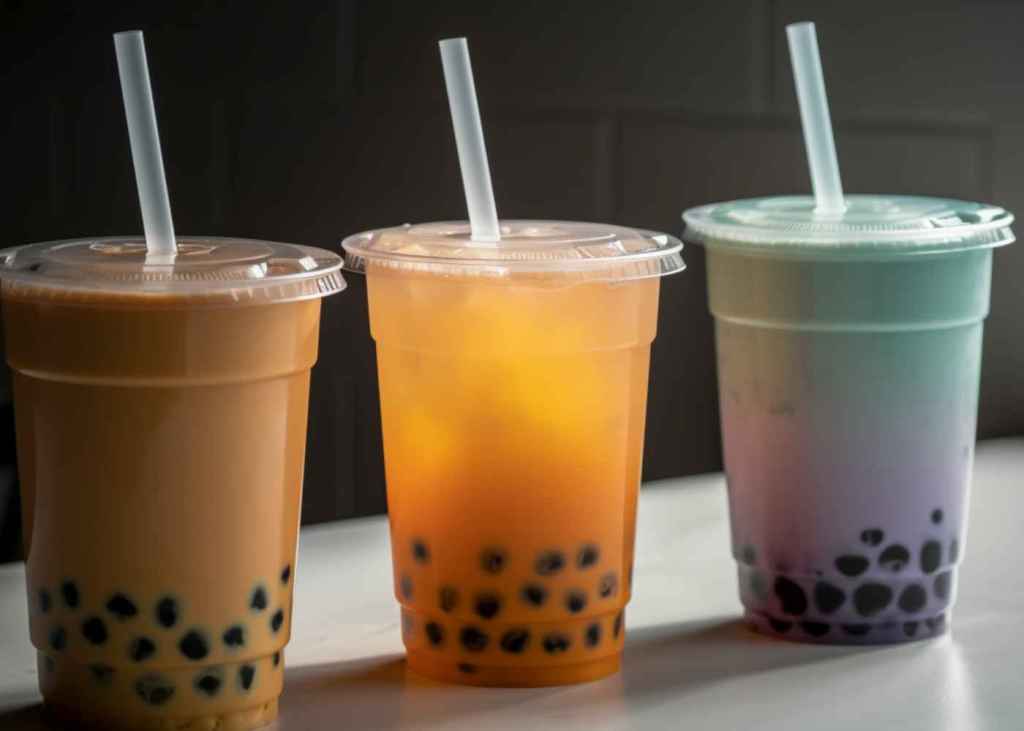
The colorful world of bubble tea has evolved from a niche Taiwanese beverage to a global phenomenon embraced by diverse communities. This transformation has created exciting entrepreneurial opportunities for those looking to enter the food and beverage industry with a concept that combines trend appeal with staying power. Bubble tea shops, with their customizable offerings and vibrant aesthetic, attract loyal customers and generate enthusiasm in ways that many traditional food businesses struggle to achieve. Understanding the unique advantages of bubble tea entrepreneurship helps aspiring business owners recognize the potential of this growing market segment.
Capturing Cultural Enthusiasm
Bubble tea shops capture the widespread cultural enthusiasm for experiences that combine familiar elements with novel twists. The beverage’s basic formula—tea paired with chewy tapioca pearls and other add-ins—provides a foundation that appeals to traditional tea drinkers while exciting those seeking new flavor experiences.
The photogenic nature of these colorful drinks makes them naturally shareable on social media, creating organic marketing opportunities. Customers often document their bubble tea experiences online, extending your brand reach without additional advertising costs.
This cultural momentum creates built-in interest that new businesses in other sectors would need to generate from scratch. Many bubble tea entrepreneurs find that customer curiosity and excitement exist before they even open their doors, providing a running start that supports early success.
Offering Creative Expression
Bubble tea businesses provide entrepreneurs unique opportunities for creative expression that satisfy both artistic and business ambitions with the help of diverse product offerings from companies like Leadway International Inc. The visual presentation of drinks, from layered colors to innovative toppings, allows owners to develop signature styles that distinguish their shops from competitors.
Shop aesthetics and atmosphere provide another creative canvas, with successful bubble tea businesses often featuring distinctive interior designs that become part of their brand identity. This design dimension appeals to entrepreneurs with visual arts backgrounds or interests.
Menu development involves continuous creative innovation as owners experiment with seasonal ingredients, special promotions, and unique combinations. Many bubble tea entrepreneurs describe this ongoing creativity as professionally fulfilling in ways that more standardized business models rarely provide.
Building Community Connections
Bubble tea shops excel at building community connections that transform them from mere retail establishments into social hubs. The approachable price point and casual atmosphere encourage regular visits that develop into customer relationships rather than just transactions.
The appeal across age groups makes these establishments natural gathering spaces for diverse community members. From students and young professionals to families and older adults discovering bubble tea for the first time, these shops welcome broader demographics than many specialized food businesses.
Location flexibility allows bubble tea entrepreneurs to establish these community connections in various settings—from busy shopping centers to neighborhood storefronts or even mobile operations at community events. This adaptability helps owners tailor their business presence to specific community contexts.
Maintaining Operational Simplicity
Despite their exotic appeal, bubble tea operations maintain relative simplicity compared to many food service businesses. The focused menu requires fewer ingredients and equipment than full-service restaurants, simplifying inventory management and reducing initial investment costs.
Streamlined preparation processes can be mastered relatively quickly, making staff training more straightforward than in culinary businesses requiring extensive cooking techniques. This operational simplicity helps new entrepreneurs navigate the challenging early stages of business ownership.
Compact space requirements provide flexibility in location selection and typically result in lower rental costs than larger food establishments. Many successful bubble tea businesses operate in spaces under 1,000 square feet, creating opportunities in retail areas where larger operations would be financially unfeasible.
Expanding Growth Possibilities
Bubble tea businesses offer natural expansion possibilities that provide long-term growth potential for ambitious entrepreneurs. The easily replicable business model supports multi-location development once initial operations prove successful, creating pathways to larger enterprises.
Product line extensions into related offerings—from food items to retail merchandise—allow revenue diversification without straying from core brand identity. Many established bubble tea businesses successfully introduce signature snacks or branded merchandise that complement their beverage focus.
The franchise potential attracts entrepreneurs interested in developing systems that can be licensed to others, creating additional revenue streams beyond direct sales. Several bubble tea concepts have grown from single locations to regional or national brands through successful franchise development.
Final Thoughts
Bubble tea entrepreneurship offers a compelling blend of cultural relevance, creative opportunities, community building, operational accessibility, and growth potential. For aspiring business owners seeking vibrant opportunities in today’s food and beverage landscape, this unique business category merits serious consideration as a pathway to both personal fulfillment and entrepreneurial success.


 Lovely Lavender Cash
Leave a comment