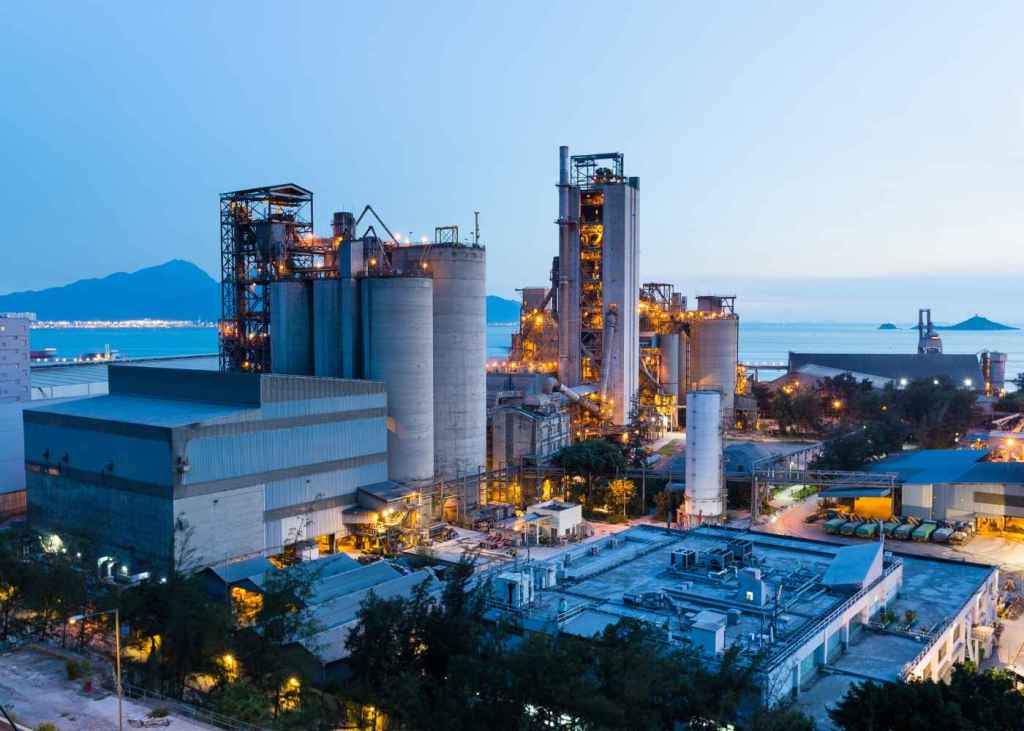
The manufacturing sector stands at a crossroads of innovation and sustainability, facing mounting pressure to reduce carbon emissions while maintaining competitive productivity. Industrial heat pump systems have emerged as a transformative technology in this landscape, offering revolutionary approaches to thermal management that fundamentally change how factories operate. These systems do more than simply provide heating and cooling—they represent a paradigm shift in manufacturing efficiency that delivers multiple benefits across operations.
Recovering Wasted Energy Resources
One of the most remarkable aspects of industrial heat pump technology is its ability to capture and repurpose thermal energy that would otherwise be lost. Manufacturing facilities typically generate substantial waste heat from various processes—from exhaust gases and cooling water to production equipment and air compressors. Heat pump systems transform this previously discarded resource into valuable thermal energy that can be redirected to other manufacturing processes or facility needs.
This waste heat recovery creates a circular energy economy within the factory walls, significantly reducing the need for additional energy inputs to maintain production temperatures. Operations that once required separate heating and cooling systems now benefit from an integrated approach that handles both functions while conserving resources. The ability to upgrade low-temperature waste heat to higher, more useful temperatures means that energy is continually recycled throughout the facility rather than being constantly introduced and expelled.
Reducing Operational Energy Costs
The economic advantages of industrial heat pumps extend far beyond simple energy conservation. These systems fundamentally transform the cost structure of thermal management in manufacturing settings. Traditional heating methods typically convert one unit of input energy (usually from fossil fuels) into less than one unit of useful heat due to inherent inefficiencies and losses. In contrast, heat pumps can deliver multiple units of thermal energy for each unit of electricity consumed.
This exceptional efficiency translates directly to lower operational expenses, creating a compelling financial case for manufacturers beyond environmental considerations. As energy costs continue to rise unpredictably, the stability and efficiency of heat pump systems provide a valuable hedge against market volatility. Manufacturers increasingly discover that what began as a sustainability initiative quickly becomes a competitive advantage through reduced production costs and improved operational stability.
Enhancing Process Precision and Quality
Beyond energy and cost benefits, industrial heat pumps from companies like Dalrada Climate Tech deliver something equally valuable for manufacturers: enhanced process control. Many manufacturing operations require precisely maintained temperatures to ensure product quality and consistency. Traditional heating and cooling systems often struggle with temperature fluctuations that can affect production outcomes, particularly in sensitive industries like food processing, pharmaceuticals, and electronics manufacturing.
Heat pump systems provide more stable and precise temperature control, maintaining optimal conditions throughout production cycles. This temperature stability directly impacts product quality, reducing defects and inconsistencies while improving manufacturing reliability. The ability to maintain ideal conditions throughout production spaces also benefits sensitive equipment, potentially extending machinery lifespan and reducing maintenance requirements through more consistent operating environments.
Enabling Flexible Manufacturing Configurations
The versatility of industrial heat pump systems creates new possibilities for manufacturing facility design and operation. Unlike conventional heating systems that typically require centralized infrastructure and extensive distribution networks, heat pumps can be deployed in modular configurations that adapt to specific process needs and facility layouts. This flexibility allows manufacturers to optimize their production spaces more efficiently and adapt more quickly to changing requirements.
Heat pumps also enable more responsive manufacturing environments that can adjust thermal conditions rapidly as production needs change. This adaptability supports modern manufacturing trends toward smaller batch sizes and more customized production runs, where operating conditions may need to change frequently. The result is a more agile factory environment that can respond to market demands without the thermal management limitations of traditional systems.
Advancing Decarbonization Goals
Perhaps the most transformative aspect of industrial heat pumps lies in their contribution to manufacturing decarbonization. By electrifying thermal processes that traditionally relied on fossil fuels, these systems provide a pathway to dramatically reduce direct carbon emissions from manufacturing operations. As electricity grids incorporate more renewable energy sources, the carbon benefits of heat pump technology continue to multiply, potentially enabling near-zero emission thermal management in manufacturing settings.
This decarbonization potential addresses a critical challenge for the industrial sector, which has historically been among the most difficult to decarbonize due to its thermal energy requirements. Heat pumps offer a practical, commercially available solution that manufacturers can implement today, rather than waiting for future breakthrough technologies. For companies with ambitious climate targets, heat pump systems represent an immediate step toward meaningful emissions reductions.
Final Thoughts
Industrial heat pump technology represents more than an incremental improvement in manufacturing efficiency—it creates a fundamentally new approach to thermal management that transforms how factories operate. By recovering waste energy, reducing operational costs, enhancing process precision, enabling flexible configurations, and advancing decarbonization goals, these systems deliver a comprehensive package of benefits that align environmental and economic interests.
As manufacturing continues to evolve in response to climate challenges and competitive pressures, heat pump systems will likely become standard infrastructure in modern factories. The industrial climate revolution they enable isn’t just about reducing emissions—it’s about creating smarter, more efficient, and more resilient manufacturing operations that are prepared for the challenges of the future. For forward-thinking manufacturers, embracing this technology now represents both environmental leadership and sound business strategy for the decades ahead.


 Lovely Lavender Cash
Leave a comment